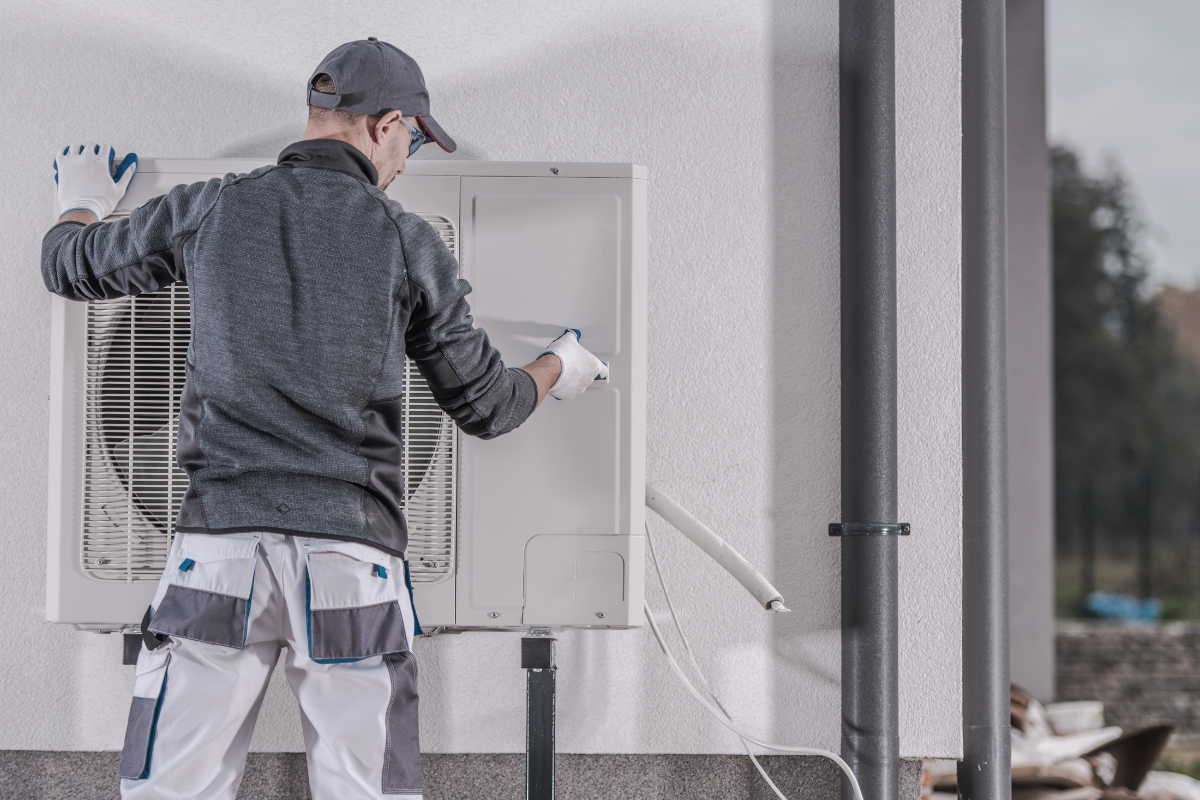

Heating looks simple from the outside. You set a temperature, the system runs, the house feels right. Under the hood, the choices you make during heating system installation drive everything that follows: comfort, utility bills, noise levels, and maintenance headaches. When people ask if they should go budget or premium, they are rarely asking about brand prestige. They want to know where spending more pays off and where it doesn’t. The split isn’t just price. It is efficiency curves, modulation, ductwork reality, installer skill, local climate, and the age of the envelope you are trying to heat.
I’ve installed, commissioned, and diagnosed thousands of systems across mixed climates. I have seen an “expensive” furnace perform poorly because it was oversized and paired with leaky ducts, and a modest unit run quietly and efficiently for two decades because it was sized right and tuned carefully. The budget versus premium question matters, but it’s never the only question. Start with the home, then the installer, then the equipment tier. That order avoids most regrets.
What “budget” and “premium” really mean
Budget, in this context, usually refers to single-stage or basic two-stage gas furnaces in the 80 to 95 percent AFUE range, single-stage heat pumps with mid-tier HSPF2 and SEER2 ratings, and simpler boiler designs. They offer fewer features, lower upfront cost, and often shorter warranties. Controls are straightforward. Replacement parts tend to be cheaper, and servicing is familiar to most techs. These are the workhorses that keep rental properties and modest homes warm without frills.
Premium signals higher efficiency and more control: condensing gas furnaces at 96 to 98 percent AFUE; variable-speed and modulating combustion; inverter-driven heat pumps with high HSPF2 and cold-climate performance; and condensing boilers with outdoor reset and multi-zone capability. Premium models ship with longer warranties, quieter operation, advanced diagnostics, and better dehumidification when paired with appropriate air handlers. They can hold tighter temperature bands and sip electricity during part-load conditions.
The core trade-off is upfront cost versus lifetime cost and comfort. A premium furnace might cost 40 to 90 percent more than a budget unit of the same capacity. A variable-speed heat pump can be double the price of a basic single-stage model, especially with cold-climate capability. Whether those gaps are justified depends on climate, fuel prices, run time, and whether you’ll live with the system long enough to enjoy the savings.
The quiet truth about sizing and design
If you remember only one idea, make it this: correct sizing and a proper design often move the needle more than equipment tier. I have replaced 120,000 BTU furnaces with 60,000 BTU models in 2,000-square-foot homes after a Manual J load calculation and duct evaluation, and the slimmer units delivered better comfort with lower bills. Oversizing is the quiet villain. A single-stage oversized furnace short-cycles and blasts hot air. Even a premium modulating unit loses efficiency and comfort when it never gets to stretch its legs.
A good heating system installation starts with numbers, not a guess. Pros perform a Manual J heat loss calculation, a Manual S equipment selection, and a Manual D duct design or at least a static pressure and leakage check on existing ducts. On hydronic systems, we calculate heat loads by zone, map radiation, and design pump curves and mixing strategies. If your installer does not talk about these, you are buying on luck.
Climate and fuel: where the money goes
Cold climates raise the stakes. In northern states and provinces, heating hours rack up. A premium condensing boiler or modulating furnace has room to pay you back when it runs thousands of hours each season. In a mild climate where winter is six weeks of sweater weather, the savings are smaller, and a budget unit paired with good air sealing can be the smarter move.
Fuel type swings the math. Natural gas has been historically cheaper per BTU than electricity in many regions, so a high-AFUE furnace looks compelling. Where electricity is cleaner and competitively priced, high-performance heat pumps shine. Propane and oil complicate things. Propane costs can flatten the payback of gas furnaces, and oil systems may justify a premium heat pump as a primary heat source with oil as backup for extreme cold.
For air-source heat pumps, check climate-specific performance. A standard single-stage heat pump might deliver its nominal capacity at 47°F but fall off quickly below freezing, engaging electric resistance strips that spike bills. Premium cold-climate models maintain capacity at 5°F, some down to negative temperatures, and do it efficiently. The premium price tag buys you heat without the resistance penalty, quieter defrost cycles, and steadier comfort in deep winter.
Efficiency numbers that actually matter
AFUE for furnaces and boilers, HSPF2 and SEER2 for heat pumps, and COP at specific temperatures tell you how much heat you get per unit of fuel. But seasonal ratings are averages. Real homes spend a lot of time at part load. Premium equipment with variable capacity thrives at part load, where it can run long, low, and efficient. Budget single-stage units run short, hot cycles that lose efficiency in start-up and shutdown. The gap between an 80 percent AFUE furnace and a 97 percent AFUE furnace is not just 17 points on a label. It is stack losses eliminated through condensing operation, tighter controls, and longer, steadier burns.
On a typical 2,000-square-foot detached home in a cold climate, the difference between an 80 percent and a 96 percent furnace can save 80 to 200 therms per season, depending on insulation and infiltration. At 1 to 1.50 dollars per therm, that is 80 to 300 dollars per year. If the premium furnace costs 1,800 dollars more installed, payback might be 6 to 10 years, faster if gas prices rise or if your run time is heavy. The comfort difference shows up on day one.
For heat pumps, HSPF2 gives a new baseline aligned with updated test procedures. Two inverter models can share a similar HSPF2, yet one may hold capacity in the teens while the other tumbles to resistance heat. Always look for a capacity table at 17°F and 5°F. If you heat below freezing regularly, that table is worth more than a glossy efficiency label.
The installation matters more than the sticker
I have replaced premium furnaces that people hated and budget models that people loved, mostly because of the quality of the heating unit installation. A perfect furnace paired with undersized return ducts will whine, overheat, and trip limits. A great heat pump connected to a poorly charged refrigerant circuit will short-cycle and ice up. Gas furnaces installed without combustion air or with sloppy venting can be unsafe.
This is why a bland mid-tier unit with a careful install can beat a flashy top-end model slapped in over a weekend. Ask your contractor how they verify airflow, static pressure, combustion tuning, and charge. Expect numbers and instrument readings in a start-up sheet. On hydronic systems, ask about delta-T across zones, balancing strategy, and purge procedures. A crew that owns micromanometers, digital probes, combustion analyzers, and scale/hoses, and knows how to use them, will protect your investment.
Comfort is not just heat output
Comfort blends temperature stability, air movement, humidity, and sound. Premium systems have the edge because they can run gently for longer periods. Variable-speed blowers move air quietly at low speeds, smoothing stratification and cutting drafts. Modulating gas valves and inverter compressors scale output to match load, so you avoid swings from 68 to 73 and back. Indoor relative humidity stays steadier because the system is not blasting and resting.
Budget systems can feel fine when ductwork is balanced and the home is not leaky, especially in moderate climates. The trick is to avoid oversizing, confirm airflow, and use a smart but simple control strategy. In many tract homes, replacing a 100,000 BTU single-stage furnace with a right-sized two-stage furnace and a variable-speed blower transforms comfort for a modest premium, no fancy thermostat required.
Noise matters. Utility rooms under bedrooms and thin closet installs next to living spaces make blower tone and combustion sound noticeable. Premium models usually run quieter because they spend much of their time at low speed, and their cabinets and fans are engineered with sound in mind. In condos and townhomes, I have seen noise alone justify the upgrade.
Repair and lifespan: the practical curve
Budget equipment has fewer parts, often fewer boards, and simpler diagnostics. When something fails, it is cheap and fast to replace. Premium gear has more components and tighter tolerances. A variable-capacity inverter board costs more than a basic contactor, and some parts have longer lead times. At the same time, premium manufacturers tend to back their products with longer warranties, sometimes 10 to 12 years on parts and compressor, and offer better support through trained dealer networks.
From a lifespan standpoint, most modern furnaces and heat pumps last 12 to 20 years with proper maintenance and normal use. The spread depends less on the badge and more on installation and service. Poor airflow and dirty filters kill motors. High static pressure cooks heat exchangers. Improper charge stresses compressors. Whether you choose budget or premium, plan for annual maintenance and insist that the tech measures, not just eyeballs.
Ducts, radiators, and realities in older homes
Older homes complicate choice. Ductwork may be undersized, leaky, or both. A premium variable-speed furnace can compensate a bit by modulating airflow, but it cannot fix the physics of a 6-inch run feeding two large rooms. If you are doing a heating replacement in an older house with poor ducts, allocate money to duct sealing and right-sizing before jumping to premium equipment. The efficiency you buy should not be squandered into an attic.
Hydronic homes give you different levers. A condensing boiler paired with panel radiators and outdoor reset delivers a lovely steady heat at low water temperatures, which maximizes condensing efficiency. But if you keep 180°F water to feed small, old baseboards, you lose much of that condensing advantage. On a budget, a well-tuned conventional cast-iron boiler with priority DHW and basic outdoor reset can serve for years. On a premium path, a mod-con with a good circulator strategy and upgraded emitters can cut fuel use noticeably and improve comfort.
Controls and thermostats: useful, or just pretty?
Smart thermostats promise savings, and they can deliver a few percent if you use scheduling and setbacks wisely. For heat pumps, deep setbacks often backfire in cold weather because the system calls for electric backup to recover. Premium inverter systems do best with gentle setpoints and adaptive recovery. If you choose a premium modulating furnace, make sure the control allows it to modulate, not just on/off at high fire. A budget two-stage furnace benefits from a thermostat that can stage based on demand and time, not only a fixed timer.
I have seen homes where a premium system was effectively “dumbed down” by a mismatched thermostat, running like a single-stage unit. That defeats the point. Verify that the control strategy matches the equipment’s capabilities.
When budget wins, and when premium pays
There is no single answer, but patterns emerge if you weigh the right factors.
- Budget can be the smart choice when you are planning to sell within 2 to 4 years, you live in a mild climate with low run hours, or the existing ductwork or hydronic distribution is the limiting factor. Spend on sizing, sealing, and a clean heating system installation. Choose a mid-tier model with a variable-speed blower even if the burner is single-stage, and keep the extras simple. Premium tends to pay in colder climates with high run hours, in homes where quiet and even comfort matter, and in regions with rebates that cut the price gap. Cold-climate heat pumps that hold capacity below 10°F, or condensing boilers paired with low-temp emitters, deliver real savings and comfort gains. If your household is sensitive to noise, drafts, or temperature swings, premium modulation makes daily life better.
These are principles, not commandments. Every home has its quirks.
The hard costs, in real numbers
Prices vary by region and by the complexity of the job. As a rough field snapshot for a straightforward heating system installation with existing ducts in good shape:
- A budget 80 percent AFUE gas furnace installed might run 3,000 to 5,500 dollars. Step up to a 95 to 96 percent single-stage model and you are in the 4,500 to 7,500 range. A premium 96 to 98 percent modulating gas furnace with variable-speed blower typically lands between 7,500 and 12,000 dollars installed, more if venting or gas line work is needed. A basic single-stage heat pump with electric backup for a small to mid-size home can install for 6,500 to 10,000 dollars. An inverter-driven, cold-climate heat pump of similar capacity often ranges from 11,000 to 18,000 dollars, depending on line set length, electrical work, and whether you replace the air handler. Condensing boiler swaps with straightforward piping usually fall between 9,000 and 15,000 dollars. Complex multi-zone repipes or radiant conversions can go far higher. A simple cast-iron boiler replacement can be 6,000 to 10,000.
Rebates and tax credits can reshape these totals. Many regions now offer 2,000 to 10,000 dollars in incentives for qualifying heat pumps, especially for electrification or oil-to-heat pump conversions. Gas utility rebates for high-AFUE furnaces and condensing boilers are common but often smaller, from a few hundred to about 1,200 dollars. Always verify program requirements before you sign a contract, since qualifying models, commissioning steps, and paperwork affect eligibility.
A tale of two installations
A family in a 1990s 2,400-square-foot two-story in a midwestern climate replaced a 120,000 BTU, 80 percent AFUE single-stage furnace that short-cycled and made upstairs too hot. They considered a premium modulating furnace but hesitated at price. Load calculations showed a 60,000 BTU design heat loss. We sealed and balanced ducts, upsized a return, and installed a mid-tier two-stage 96 percent AFUE furnace with variable-speed blower. The home’s gas use dropped roughly 25 percent the first winter. Comfort complaints vanished. They spent about 7,000 dollars all-in, less a 350 dollar rebate. For their usage, premium would have added comfort in extreme cold, but it was not needed.
Contrast that with a 1950s 1,700-square-foot Cape in New England with baseboard heat and an aging oil boiler. The owners were tired of oil prices and the cold back bedrooms. We installed a cold-climate 3-ton inverter heat pump with two modest ducted zones tucked in eaves, keeping the oil boiler as backup. Electric bills climbed, oil bills plummeted, and the net annual heating cost fell by about 30 percent. The system was not cheap, roughly 16,000 dollars after a substantial state rebate, but the quiet, steady heat and shoulder-season efficiency made the choice obvious for them. A budget air-source heat pump would have struggled below 20°F and leaned on expensive electric strips.
Permits, code, and the safety envelope
Permits are not paperwork theater. They protect you. Proper gas venting, combustion air, condensate disposal for condensing units, electrical sizing, and line set practices all fall under code for good reasons. https://johnathanarve691.yousher.com/common-permit-pitfalls-in-heating-system-installation-and-how-to-avoid-them A cheap job that skips permits can look fine until a condensate trap overflows through a ceiling or a backdrafting water heater fills a room with CO. Whether you go budget or premium, insist on a permitted job with a final inspection, and keep the documentation for resale.
Hidden costs and the things people forget
Electrical upgrades can surprise. A heat pump that needs a 40- to 60-amp breaker, outdoor disconnect, and new wiring can add 800 to 2,500 dollars. Old panels near capacity may need an upgrade. Condensing furnaces and boilers need proper condensate routing with neutralization in some jurisdictions. Termination kits for sidewall venting sometimes require drilling through stone or brick, not a trivial task. In snowy regions, clearances for intakes and exhausts need thought to avoid drift buildup. Budget for these before you choose the equipment tier.
On hydronic systems, adding outdoor reset is a small cost with a big payoff. It lowers supply temperature as outdoor temps rise, improving efficiency and comfort. Even on a budget cast-iron boiler, reset reduces short cycling in shoulder seasons. On premium condensing boilers, reset is essential to stay in condensing mode for much of the season.
Maintenance that keeps the promise
Treat maintenance as part of the purchase. A budget furnace still needs annual inspection, filter changes, and a combustion check every few years. A premium modulating furnace benefits from yearly cleaning and tuning to keep condensate drains clear and verify low-fire combustion. Heat pumps need coil cleaning, charge verification, and defrost algorithm checks. A good maintenance plan runs 150 to 300 dollars per year for forced air and a bit more for complex hydronics. Skipping three years of service can erase the efficiency advantage you paid for and shorten lifespan.
Making the call without second guessing
If you are on the fence, use a simple framework. First, get a real load calculation and a duct or distribution assessment. Second, price both tiers with the same contractor so you can isolate the equipment delta. Third, factor in climate, fuel costs, and how long you will keep the home. Fourth, consider comfort, sound, and control preferences for the people who live there. Fifth, check rebates and tax credits that narrow the gap.
The right choice is the one that fits the home and the way you live, installed by people who measure. A budget system installed with care can outperform a premium misfit. A premium system chosen for the right home, and installed by pros, turns winters quiet and predictable.
A short buyer’s filter for reality checks
- Ask for the Manual J or heat loss summary in writing, with design temperatures noted. If the proposed capacity exceeds the load by more than 20 to 30 percent without a reason, slow down. Request a start-up sheet with static pressure, temperature rise, combustion numbers for gas, and superheat/subcooling for heat pumps. If a contractor cannot provide these, they are guessing. Verify compatibility between thermostat and equipment staging or modulation. Do not let a premium unit run like a single-stage system. Compare warranty terms and who handles parts. A 10-year parts warranty is only useful if the dealer will handle claims promptly. Get the installation scope in detail: duct changes, venting, condensate handling, electrical, permits, and post-install verification.
The budget versus premium debate gets simplified too often. Price matters, but outcomes follow design, installation, and fit. Spend where it moves the needle, not where it looks impressive on a brochure. When you do that, heating replacement becomes a straightforward project rather than a roll of the dice.
Mastertech Heating & Cooling Corp
Address: 139-27 Queens Blvd, Jamaica, NY 11435
Phone: (516) 203-7489
Website: https://mastertechserviceny.com/